The growing global demand for sustainable materials
Why corporate procurement is shifting from carbon-intensive timber and steel toward verified low-carbon alternatives.
Read more →
It began with our forests — the heart of our land. From that love grew an idea. An idea to protect, to renew, and to build a sustainable future.
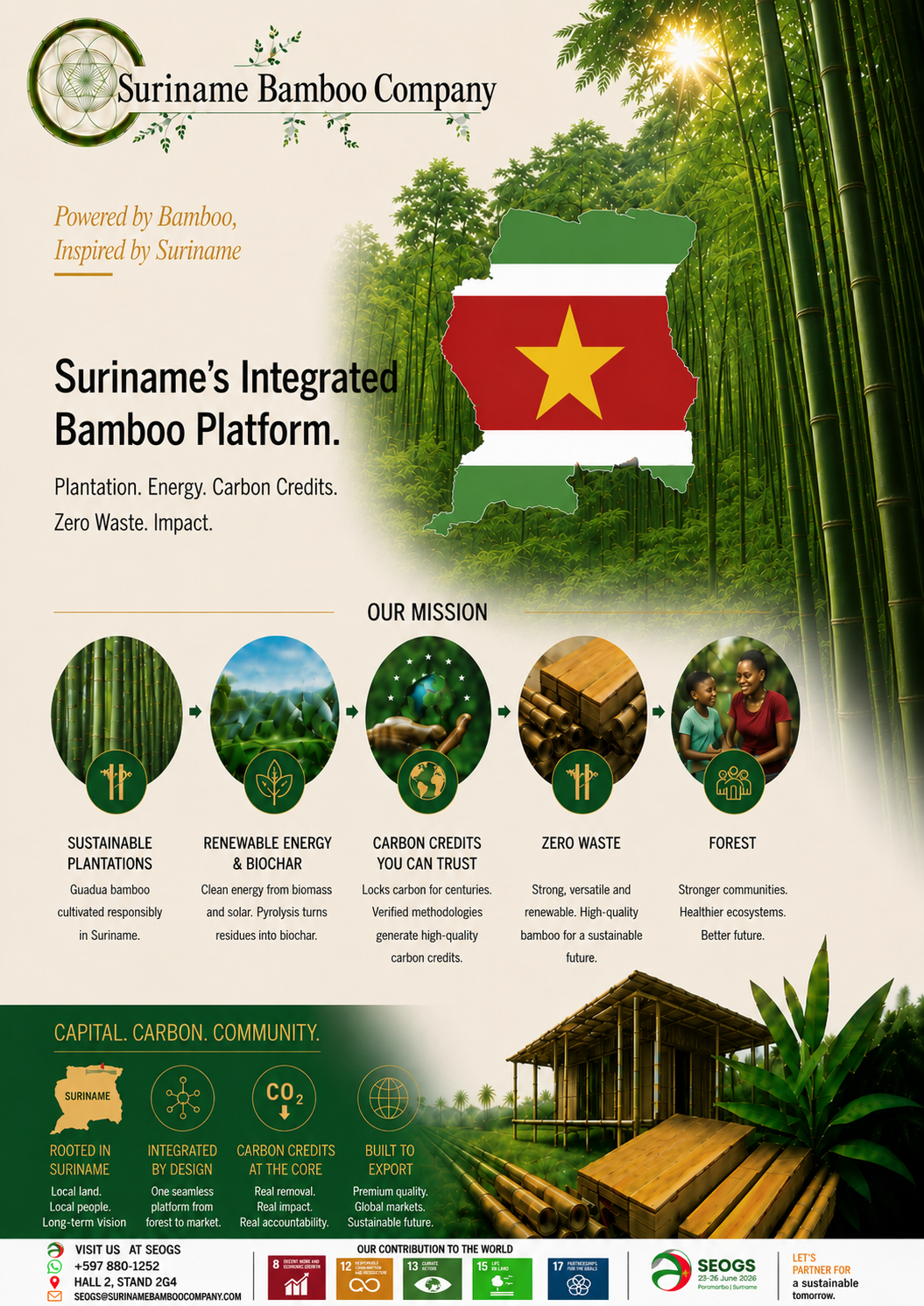
That idea became The Suriname Bamboo Company — SUBACO. A vertically integrated bamboo agro-industrial platform that turns one of the world’s fastest-growing renewable resources into engineered building materials, clean energy, and climate-positive products.
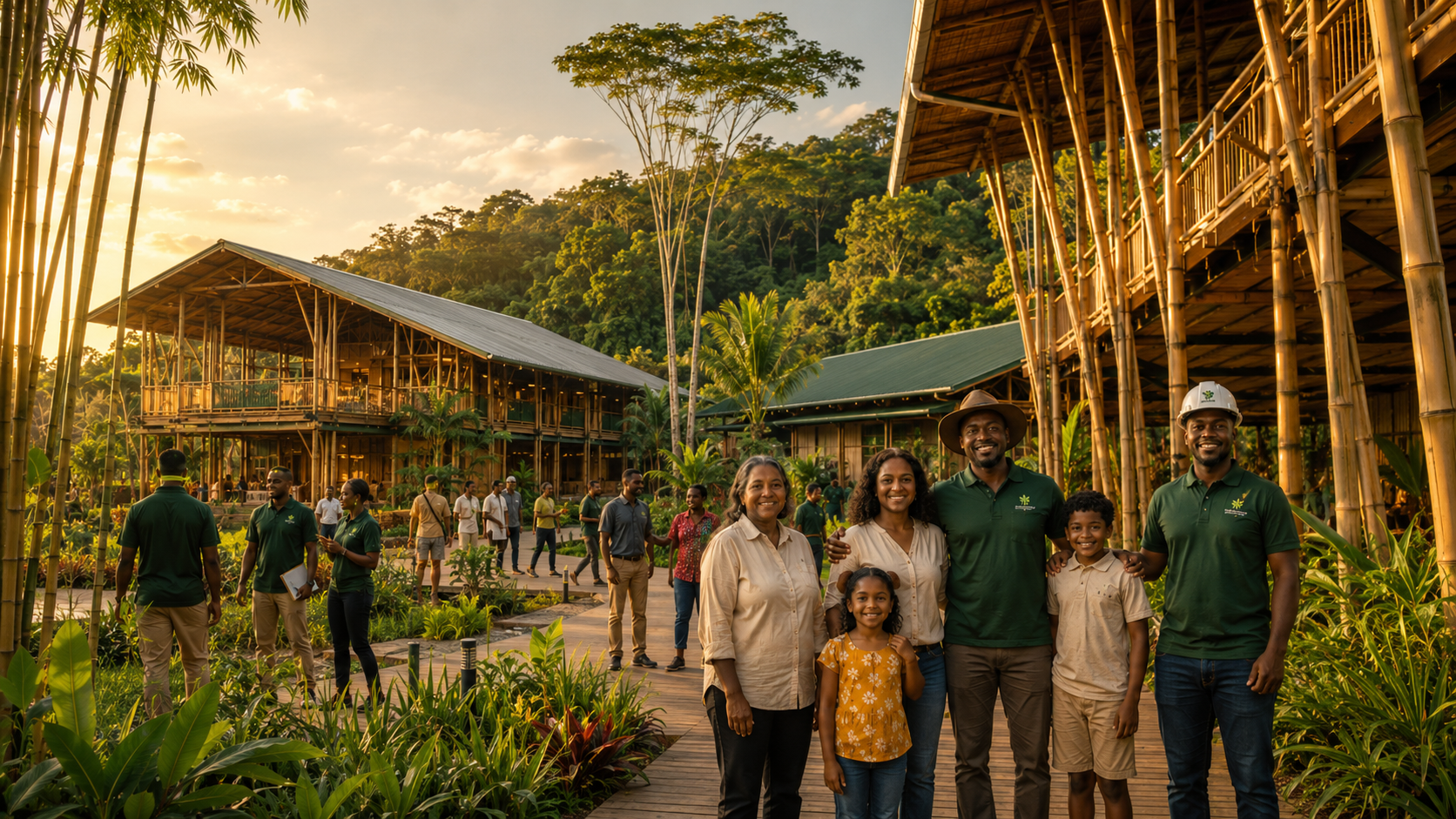
We do not exploit the rainforest. We regenerate degraded land, protect watersheds, and build a circular industry rooted in stewardship — for Suriname, for the Caribbean, for the planet.
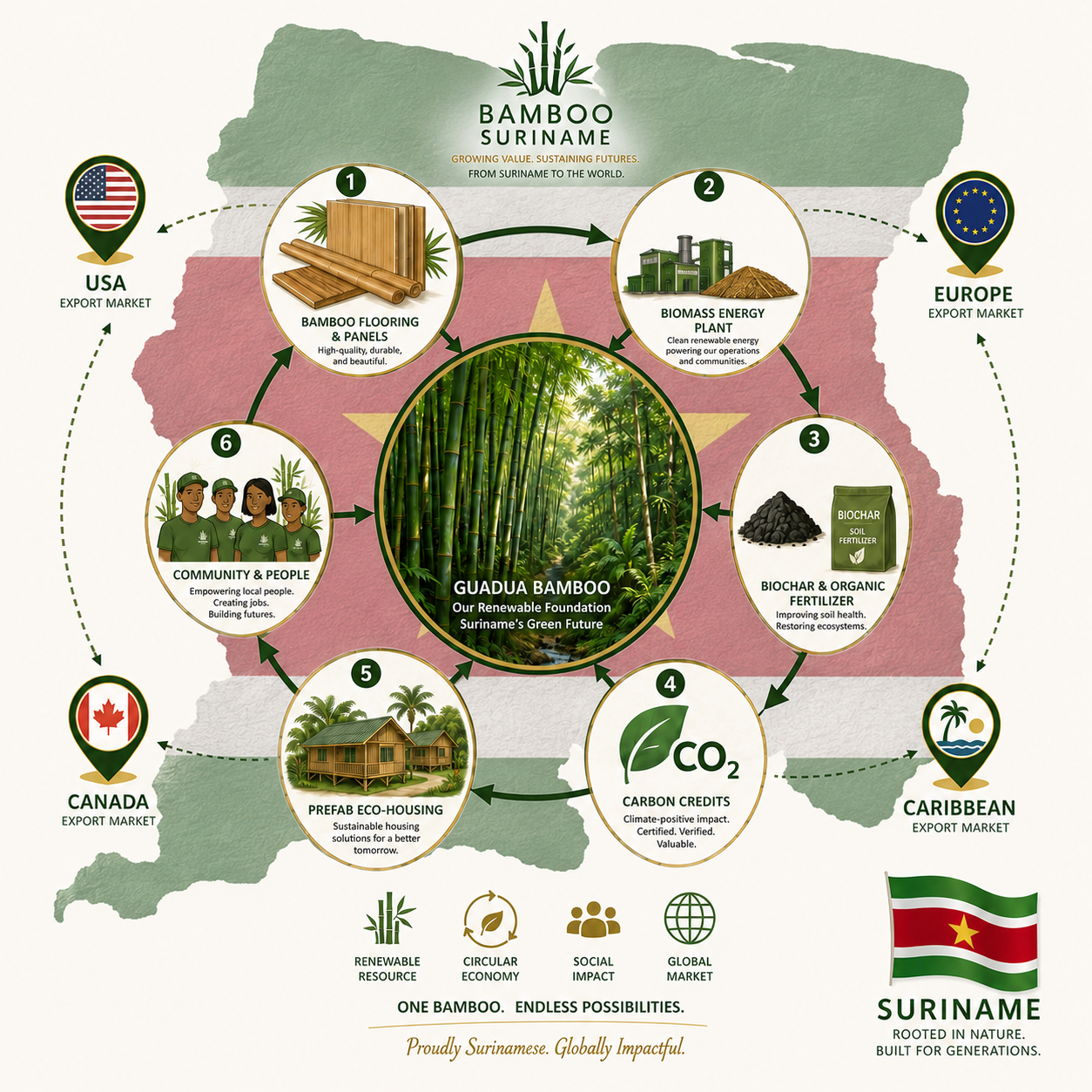
SUBACO is structured to deliver four outputs from a single hectare: engineered timber, biomass energy, biochar, and verified carbon credits — diversifying revenue and de-risking the cycle.
Two founders, one mission: prove that Suriname — forest-rich, carbon-negative — can lead the world in regenerative bamboo.


Experienced Surinamese entrepreneur with over 25 years in hospitality, retail, agribusiness, and management. As Founder & CEO of SUBACO, Joy leads the company’s strategic and operational direction, driving growth in sustainable development and agricultural ventures.

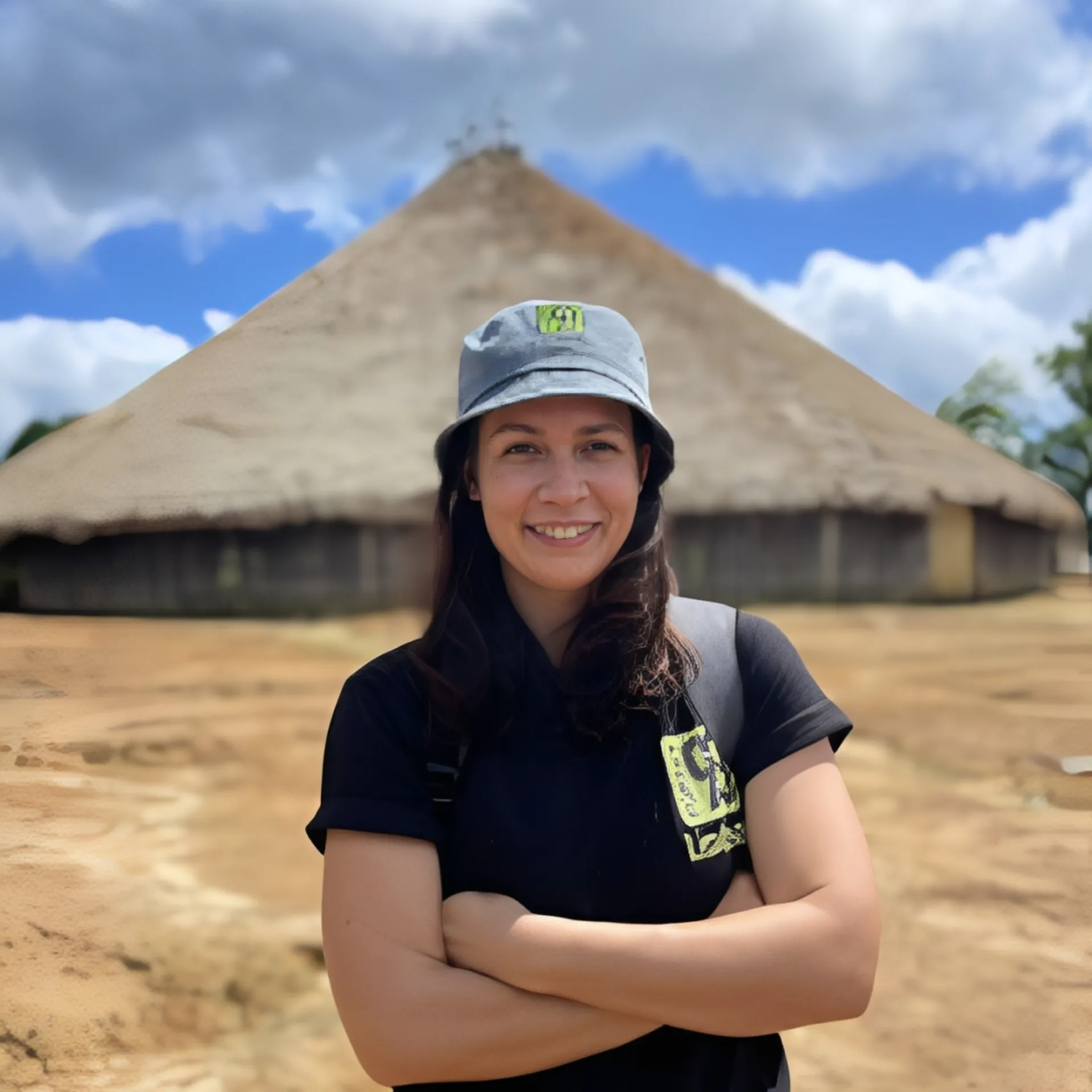
For over a decade, Femia carried a single idea: that Suriname — one of the most forest-rich, carbon-negative countries on Earth — could become a global leader in bamboo. She served as Lead Advisor at Suriname’s Ministry of Spatial Planning & Environment until 2026, and is today Chief Bamboo Officer at SUBACO.

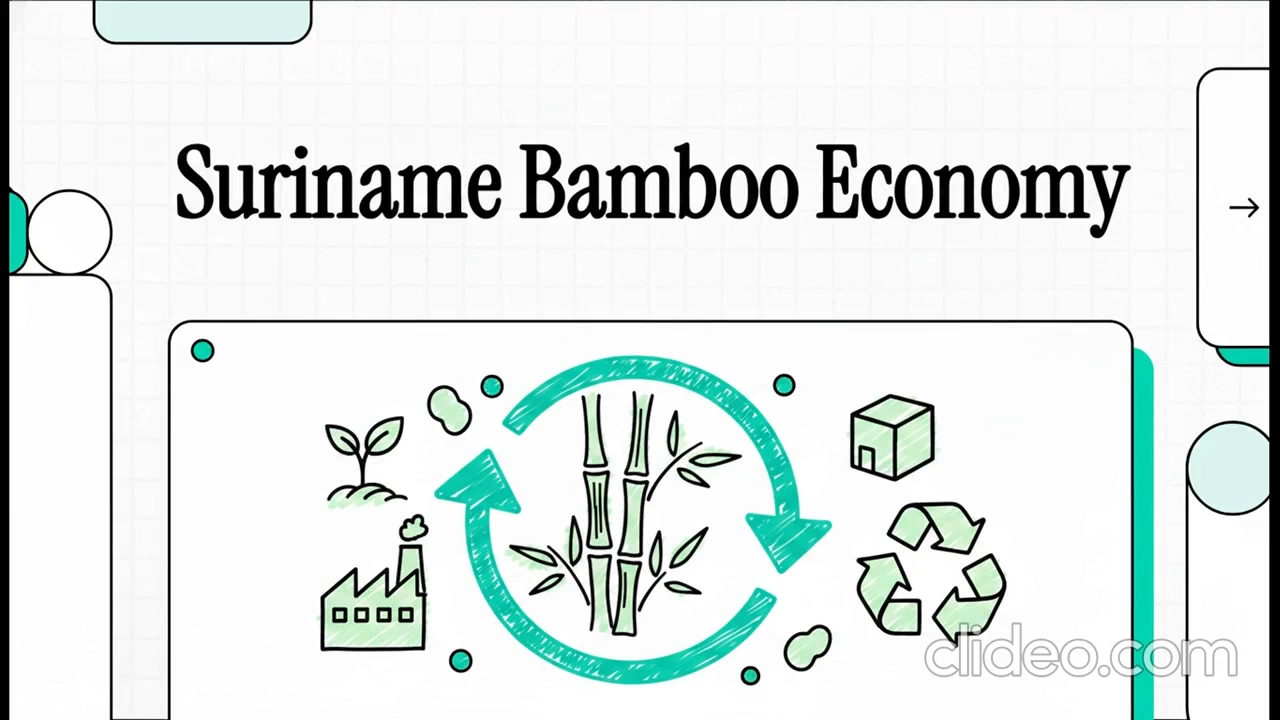
A ninety-second animated explainer on how a single hectare of Guadua bamboo becomes engineered timber, biomass energy, biochar, and verified carbon credits.
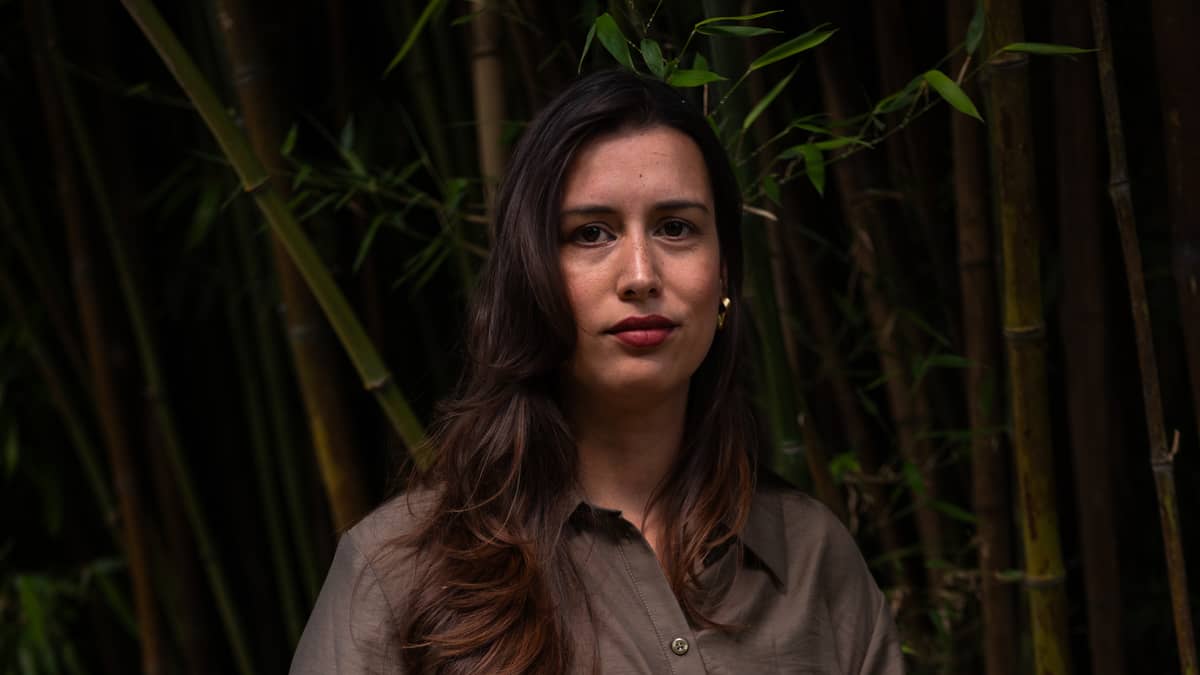
Dutch public broadcaster NPO follows Architect Lindsay to Suriname, where she designs a hospital for an indigenous village — in partnership with the community — and meets our co-founder Femia Wesenhagen, who is scaling the material she builds with: Surinamese bamboo.
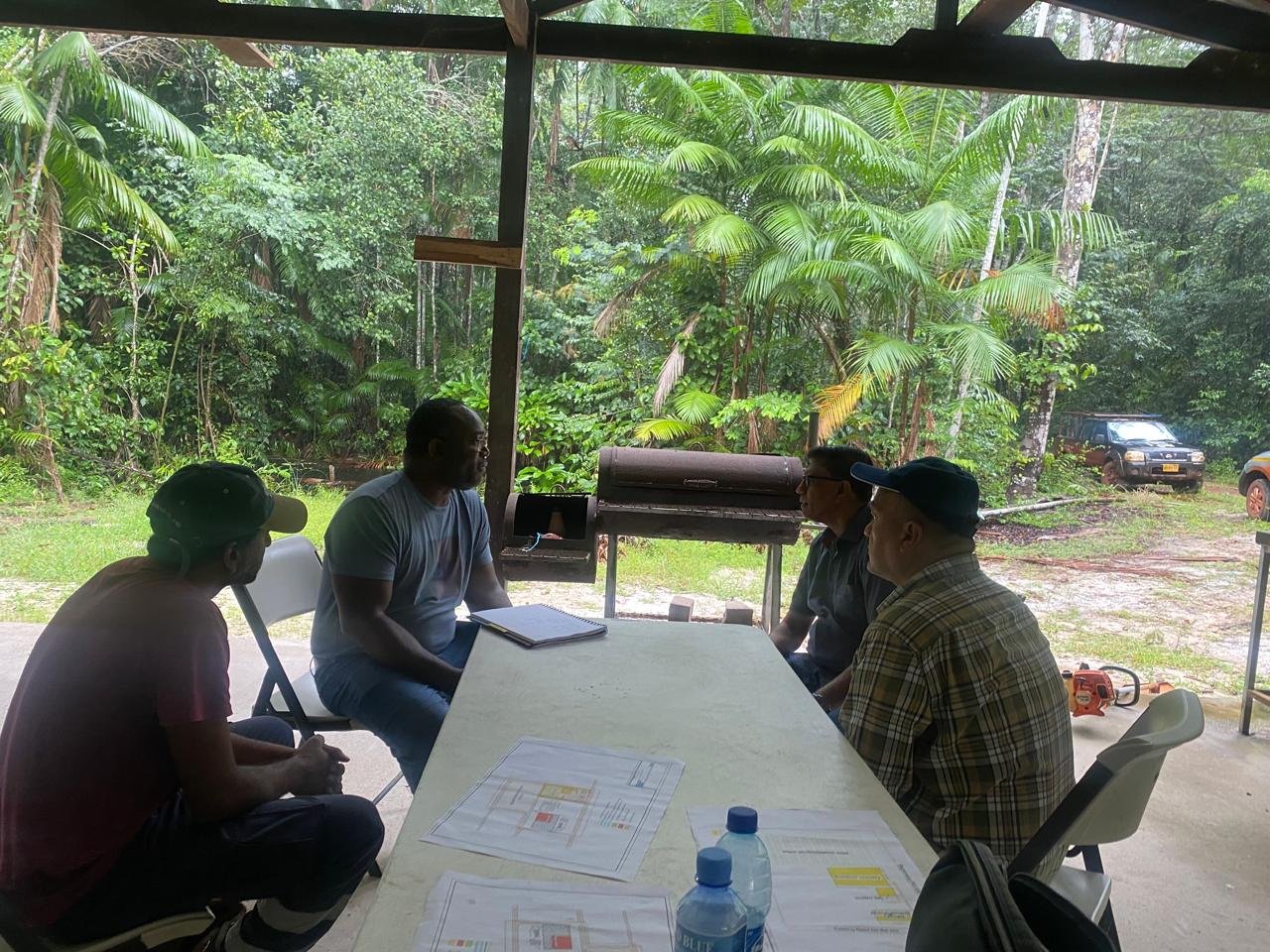
On the ground in Suriname — with the indigenous communities, the government, and the partner organizations whose alignment makes this platform possible. The country context behind the numbers.
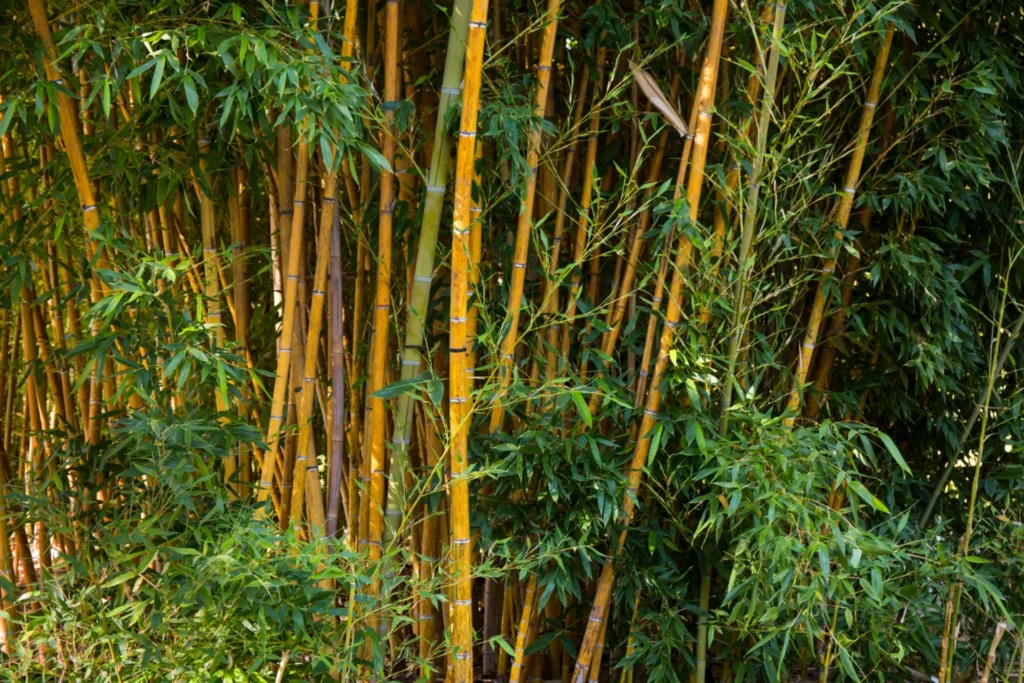
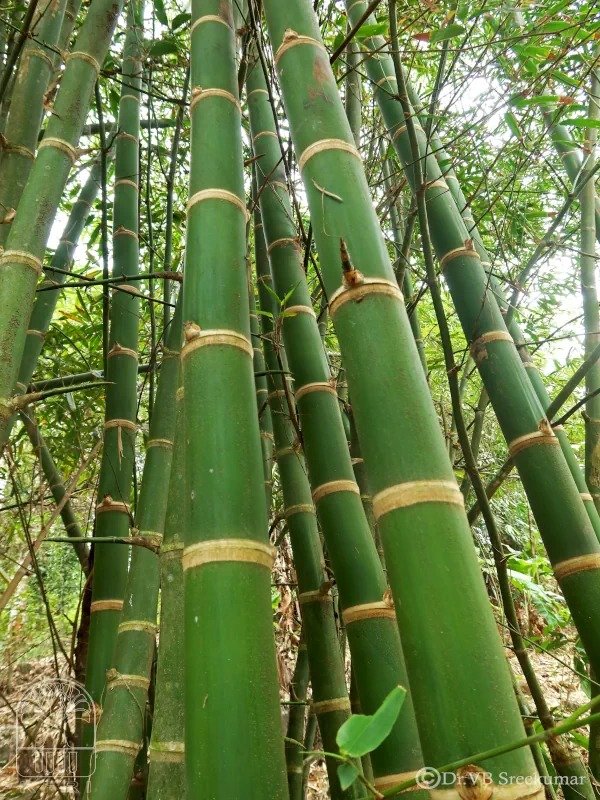
Suriname’s native Guadua bamboo matures faster, weighs more, and yields nearly twice as much per hectare as the Moso strain that dominates the Asian market.
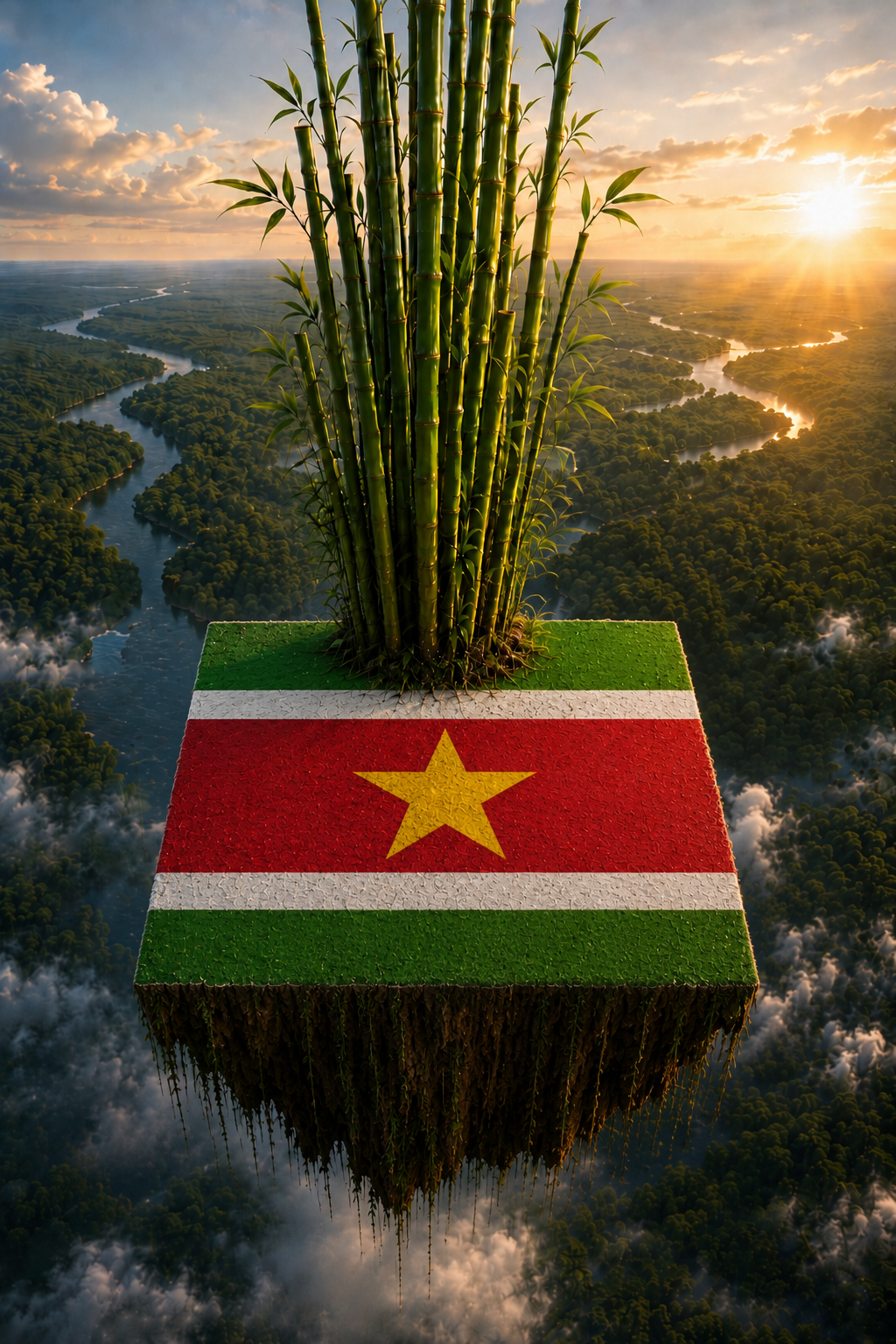
| Attribute | Guadua — Suriname | Moso — Asia |
|---|---|---|
| Growth time | 2–4 years | 5–6 years |
| Density | 800 kg/m³ | 600 kg/m³ |
| Annual yield | 44.5 t/ha | 25 t/ha |
| Stalk thickness | up to 25 cm | up to 20 cm |
| Mechanical strength | Higher | Standard |
Land, climate, position, and policy — four conditions converge in Suriname that simply do not exist elsewhere in the bamboo market.
48–72 hours to Caribbean markets. Weeks faster than Asia-sourced bamboo, with direct sea routes to North America.
Carbon-negative country. Rich soils. Ample rainfall. Ideal climate for premium bamboo cultivation year-round.
Pioneer in scientific development and production of strand-woven bamboo construction materials in the Caribbean.
Transform Suriname’s forest resources into global products while protecting the environment that grew them.
A single hectare of Guadua bamboo, processed through SUBACO’s integrated facility, yields four distinct revenue streams — and leaves the soil better than it found it.
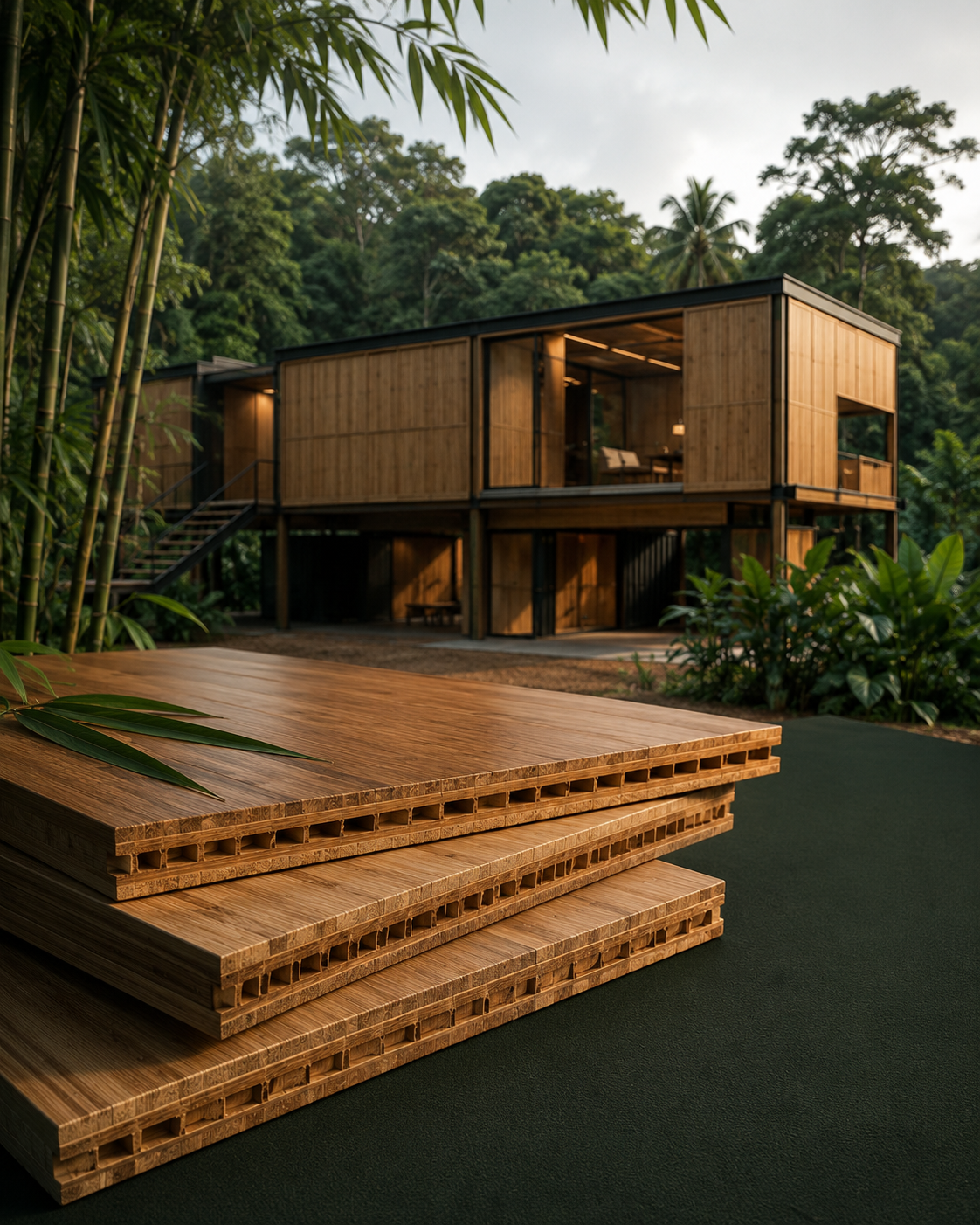
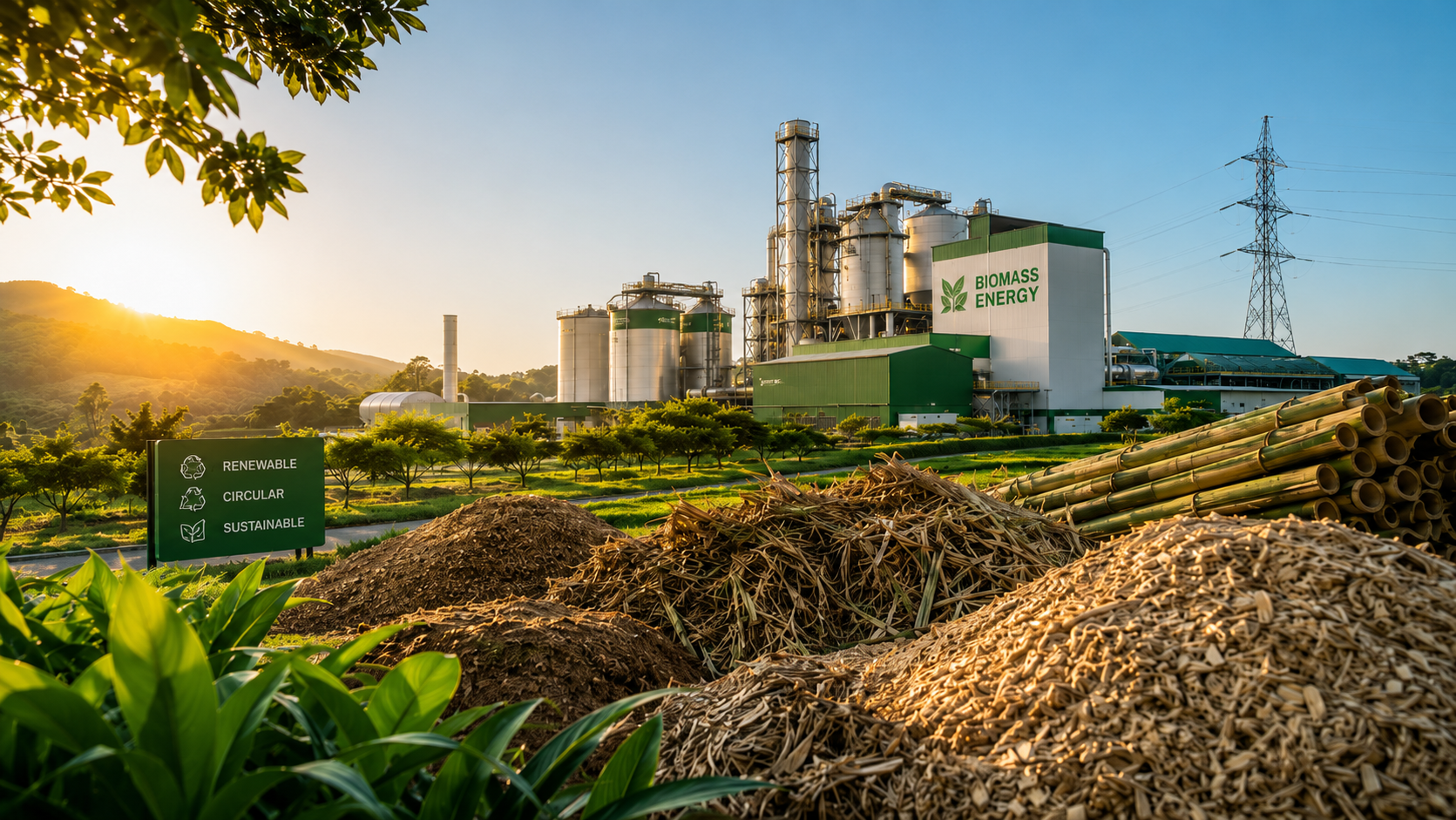
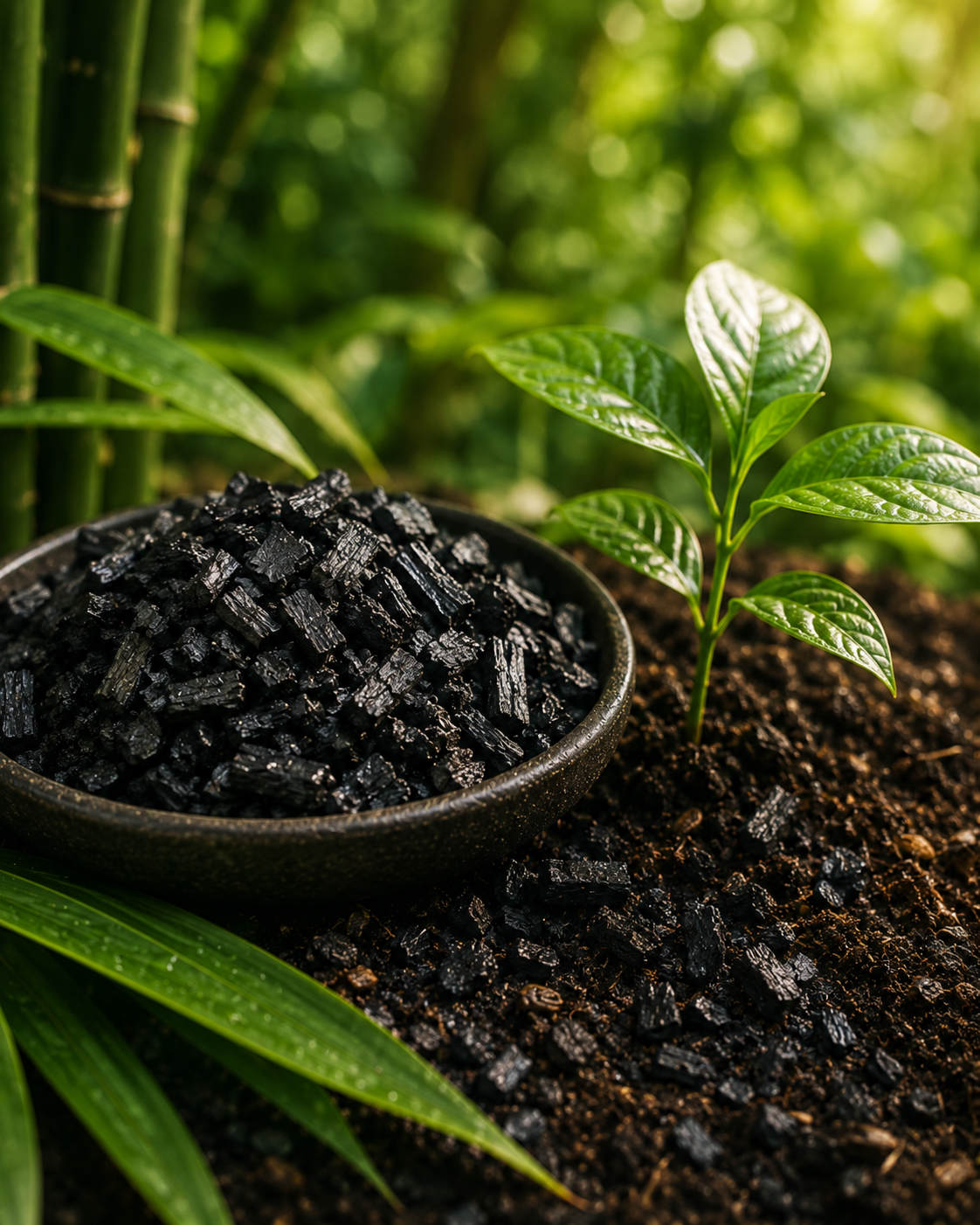
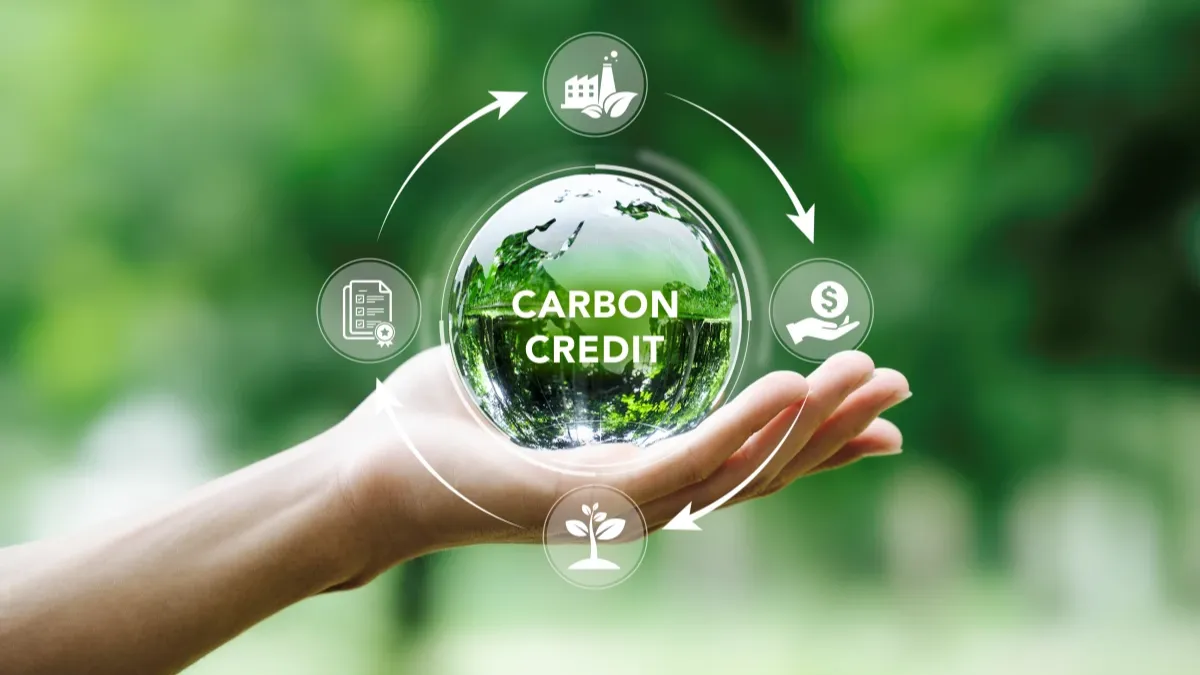
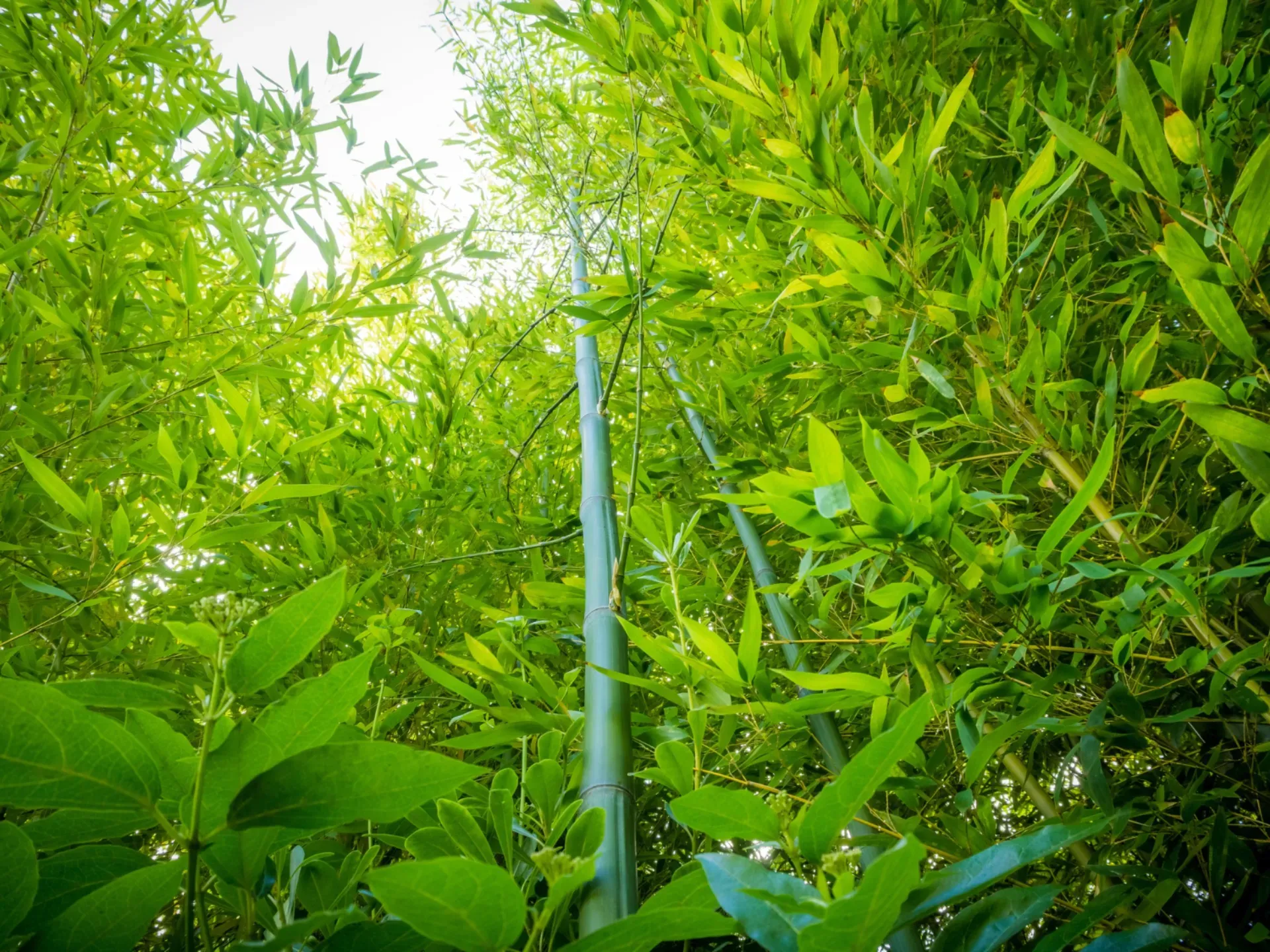
Selective clearing of invasive species only. Native forest preserved. Tissue-culture lab under construction. The project, as it is built.

Carbon, conversion, capital. The numbers we are organised around — and the numbers we will report against.
Under bamboo cultivation and active expansion across Suriname’s coastal plain.
Net of 15% buffer pool. Verra VM0047 (ARR) methodology; baseline & MRV validation in progress. First vintage 2030.
Zero landfill. Every stalk becomes structural timber, energy, or biochar.
The United Nations set seventeen Sustainable Development Goals for the world to deliver by 2030. SUBACO maps to thirteen of them — not as a marketing exercise, but as the operating system of the platform.
“Frameworks describe the destination. Forests get you there.”
Partner with the Suriname Bamboo Company — help us build a new regenerative industry, create local jobs, and shape a sustainable future for Suriname.
A senior-secured green bond instrument, structured to finance plantation growth and processing build-out. Targeted issuance Q4 2026, with stapled carbon-credit upside.
“As the bamboo grows, your investment grows.”
Contribute your land — we develop it together for a better future of Suriname. A community-rooted partnership for landowners who want to help build this industry, not just finance it.
“Your land. Our craft. Suriname’s future.”
Engineering advisors, scientific reviewers, environmental assessment specialists, and capital partners aligned around the same mission.








Engineering, scientific review, environmental assessment, and capital markets — the advisory team that turns a vision into bankable delivery.




The platform, as it is being assembled — lab, land, framework, and a country-stage moment at the Suriname Energy, Oil & Gas Summit.
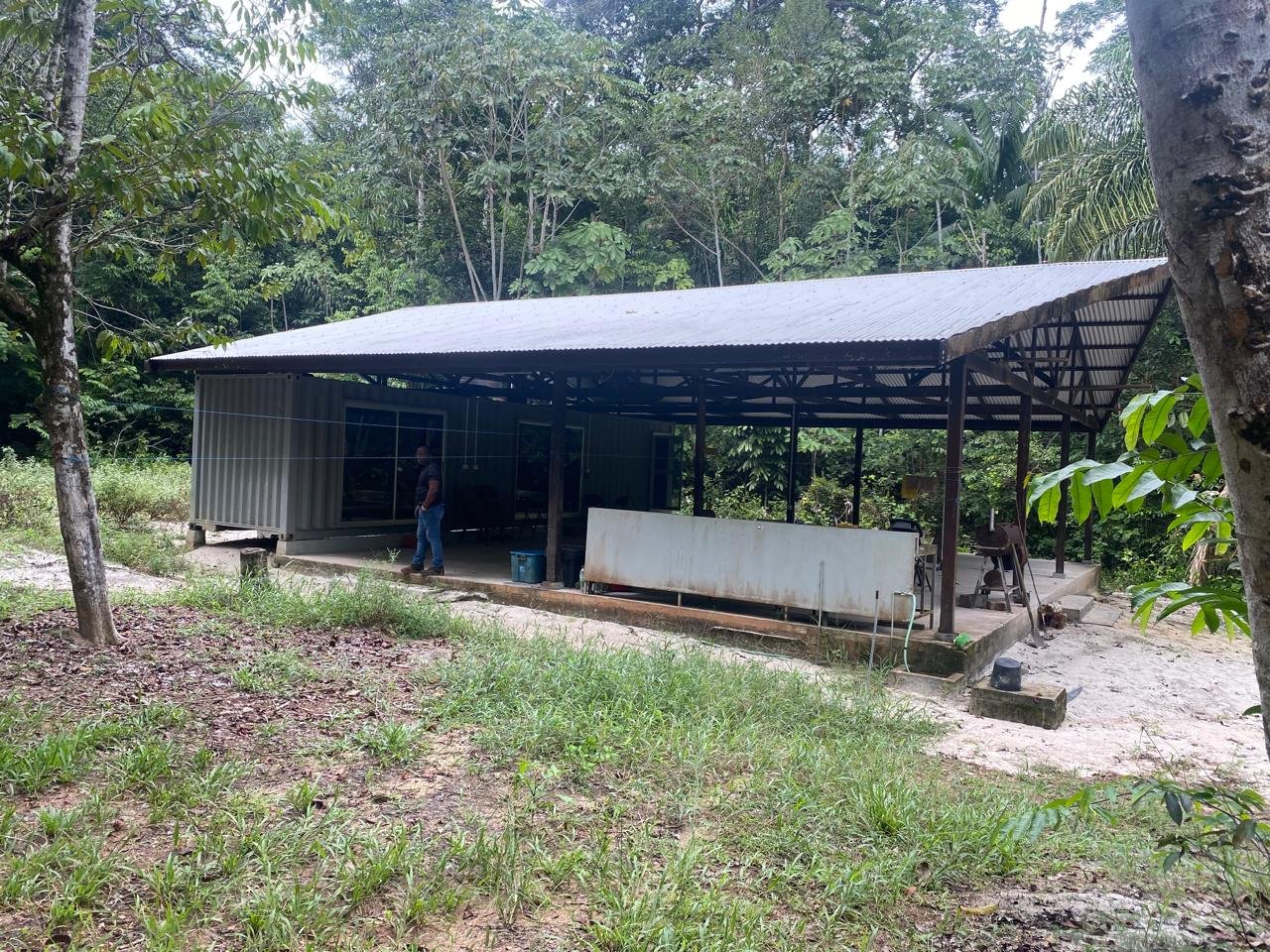
Lab construction underway at the SUBACO site, with technical lead from Green Growth Suriname. Operational target Q3 2026.
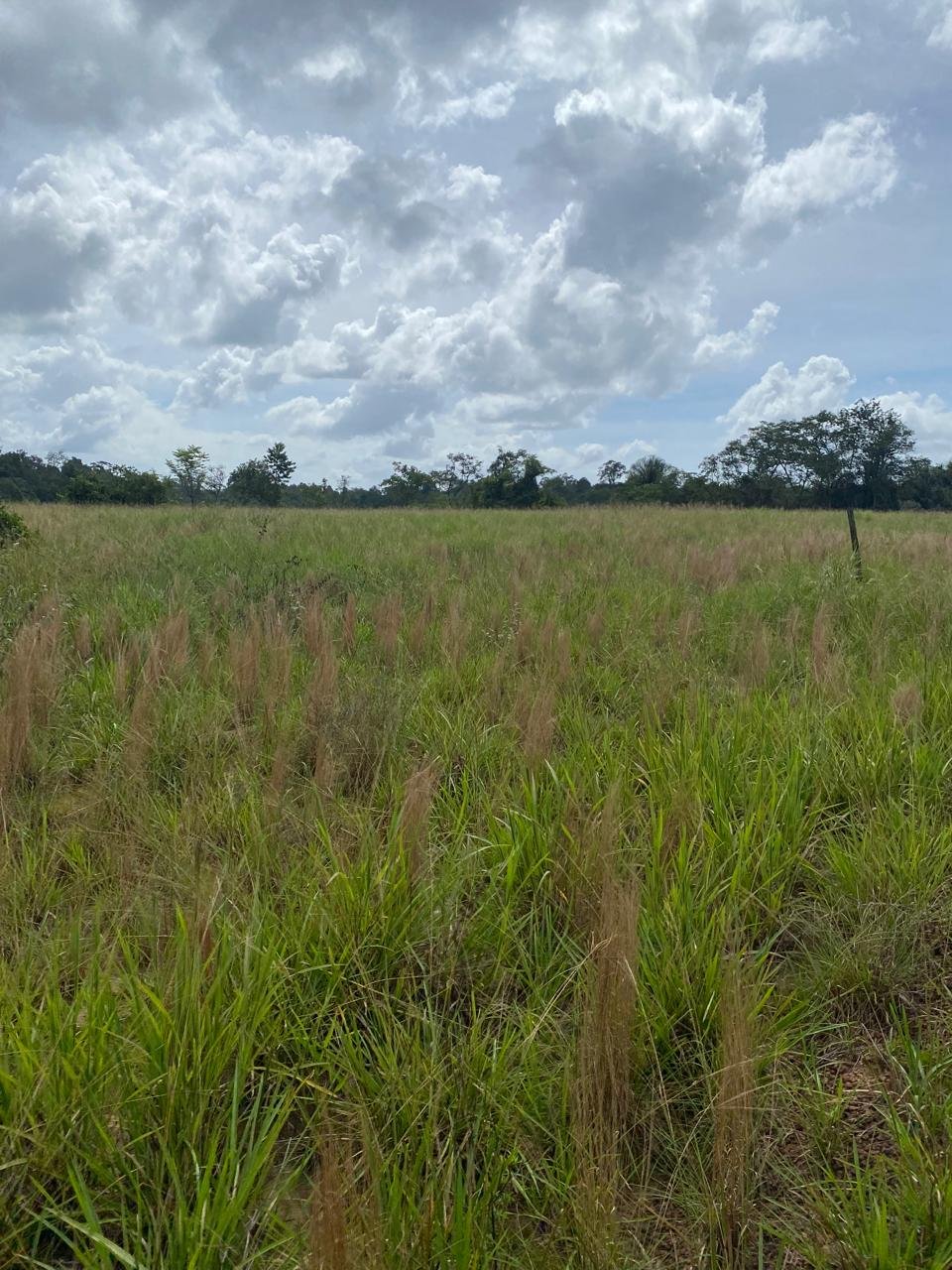
Selective clearing of invasive species only — native forest preserved. Low-impact ATV access tracks under 3 m wide. Soil regenerative by design.
Pre-feasibility study under preparation. International voluntary and Article 6.2 pathways under assessment. Bankable issuance targeted from Phase 3+.
SUBACO takes the country stage at the Suriname Energy, Oil & Gas Summit — 36 m² booth + speaking slot on the carbon-credit pathway.

Field notes, market analysis, and dispatches from the SUBACO platform — written for partners, investors, and the curious.
Why corporate procurement is shifting from carbon-intensive timber and steel toward verified low-carbon alternatives.
Read more →
Land, latitude, and identity — the three structural reasons Suriname is the right home for the next generation of bamboo.
Read more →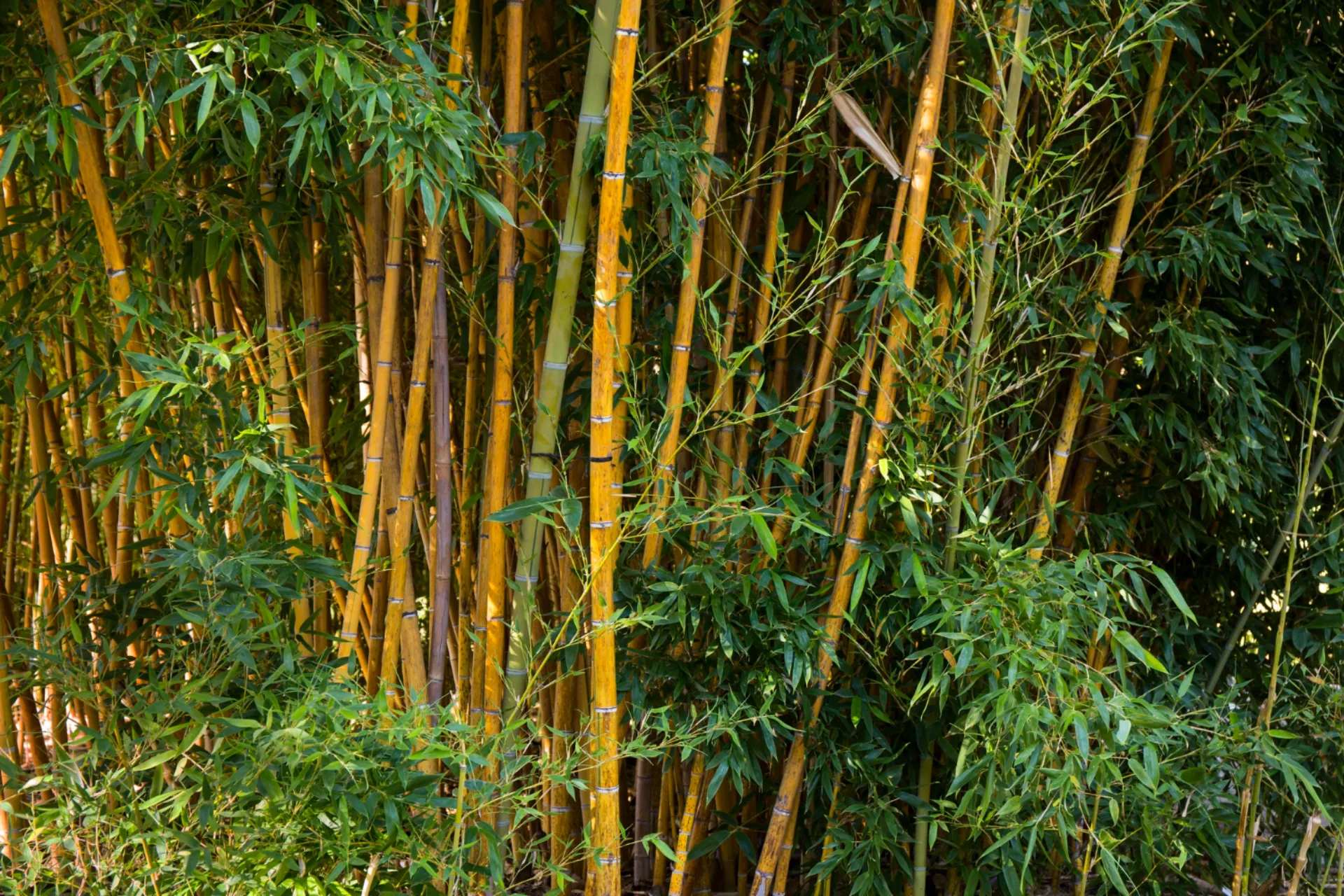
Strand-woven Guadua versus steel and concrete: tensile strength, embodied carbon, and the path to mid-rise.
Read more →We started with one question: how do we give back to the country that gave us bamboo? Five answers shape everything we build.
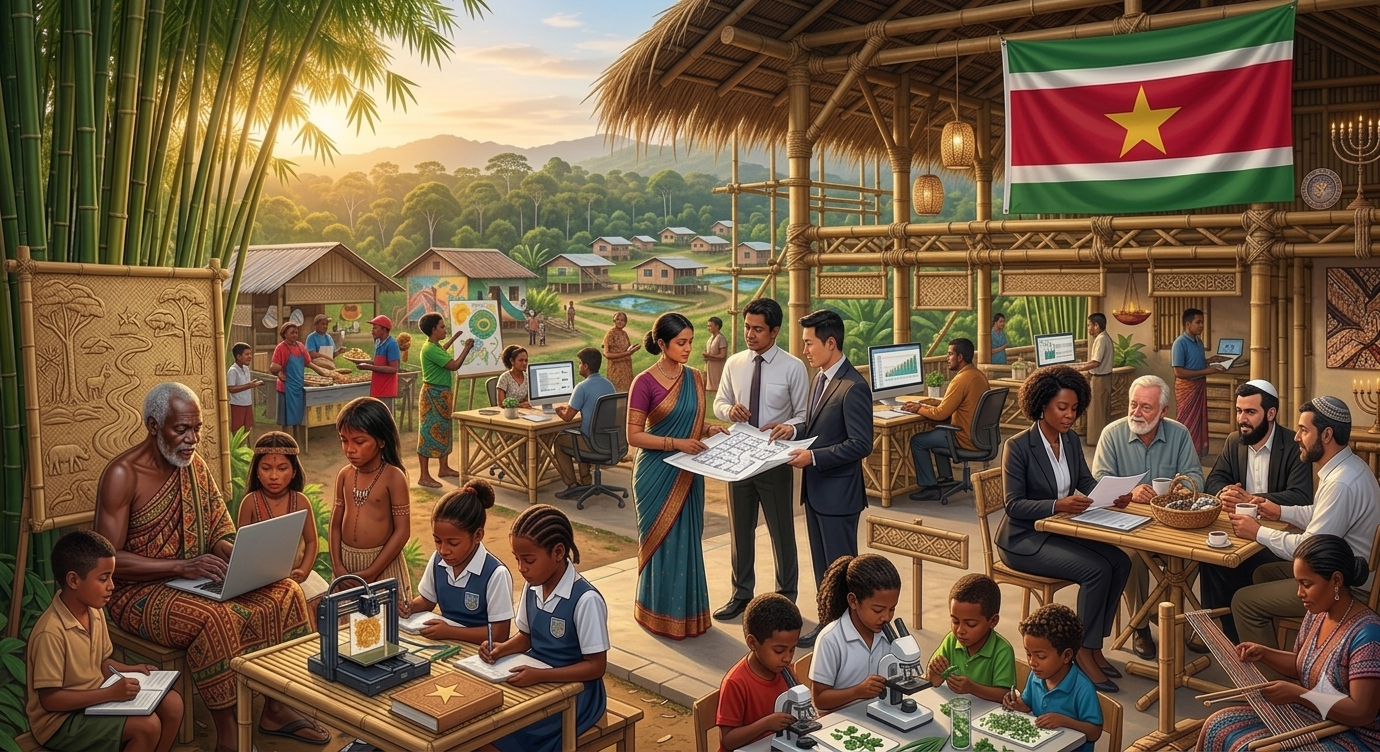
Creating 1,000+ local jobs across rural Para district communities.
Building roads, schools, and housing for neighbouring villages.
Partnering with local businesses to grow new bamboo-based enterprises.
Supplying clean renewable electricity to Suriname's national grid.
Co-developing training & internship programmes with Suriname's universities.
Built with the country, for the country. Reach out to partner, visit the site, host a community programme, or simply learn more.